Asthma has no cure, since it is caused by a genetic change that, when associated with some environmental factors, can cause narrowing of the airways and trigger symptoms such as severe difficulty in breathing, coughing and wheezing.
However, there are some remedies and other forms of treatment that help control the disease, one can live many years with asthma and lead a completely normal life.
Asthma treatment should always be guided by a pulmonologist, as it is important to adapt the type of treatment and the remedies used to each person's symptoms and asthma. But treatment usually includes the use of medications to control asthma over time and other remedies to quickly relieve seizures.
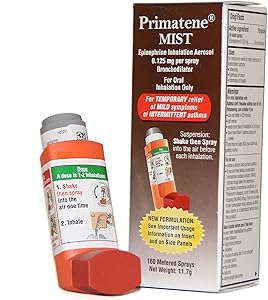
Main remedies to treat asthma Asthma can be controlled with the use of asthma drugs, popularly known as an 'asthma inhaler'. Asthma remedies should be prescribed by the pulmonologist after diagnosing asthma, which can be done by observing their symptoms and performing respiratory tests that evidence the shortness of breath in the lungs.
In addition to the remedies that must be used in an emergency, the doctor must prescribe a remedy that must be inhaled daily to control the inflammation present in the bronchi, preventing asthma attacks. Usually these drugs are used for life, but they are well tolerated and the latest ones do not alter cardiac function. See a more complete list of remedies used in asthma .
How to live with asthma Since there is no cure, the person with asthma, in addition to using the medications indicated by the doctor, must also take some care in their day-to-day to keep the symptoms more controlled, such as:
1. Avoid situations that make asthma worse Some environmental factors can trigger an asthma attack, such as perfumes, air fresheners, domestic dust or pet hair, such as dogs and cats. In some cases, strenuous physical exercise can cause an asthma attack, in which case exercise should be avoided until asthma has been properly controlled.
2. Keeping the house clean The asthmatic's home should always be clean and organized, with few surfaces that can accumulate dust and care should be taken especially in the individual's room. The house should be cleaned daily with water and a damp cloth, and aromatic candles, incense sticks, air sprays and cleaning products with an intense smell should be avoided.
One should avoid having carpets, curtains, stuffed animals or thick blankets inside the house that cannot be washed weekly. Despite this, there are several practical solutions to have a clean and comfortable home for asthmatics. See some tips in: How to care for your baby with asthma .
3. Take exams regularly At least once a year, the person with asthma must go to a pulmonologist to assess their breathing capacity and adjust the dose of the medication.
Taking an allergy test is very useful for asthma sufferers because it makes it easier to identify the main precautions to be taken with asthmatics. After identifying the allergens, the doctor can indicate the use of "vaccines for asthma", which consists of a treatment to desensitize the person and in this way he can no longer have certain allergies, facilitating the control of asthma.
4. Do physical exercise To improve breathing it is advisable to exercise regularly. However, physical activity should only be initiated when the disease is well controlled with the use of medicines and there is an indication from the doctor.
To start, one must choose to walk or ride a bicycle because aerobic exercises improve lung function.
It is recommended to use the medicine for asthma control before starting physical activity and at the end of the activity. If you feel short of breath during the exercises, you should decrease the intensity to see if your breathing improves or use the 'asthma inhaler' and rest for 5 minutes until your breathing is controlled, and then return to activity.
5. Have an anti-inflammatory diet Here's how eating can help relieve asthma symptoms:
Signs of asthma improvement The signs of improvement in asthma appear a few weeks after the start of treatment and mainly include a reduction in the frequency of asthma attacks. In addition, it is also possible to evaluate the effectiveness of the treatment through the use of a small device, called Peak Flow, which checks the value of the respiratory flow, and when it increases it is because the treatment is having an effect.
Signs of worsening asthma Signs of worsening asthma arise when treatment is not being done properly or if you are exposed to allergens, such as dust or animal hair, and include symptoms characteristic of asthma attacks such as difficulty breathing, wheezing, dry cough.
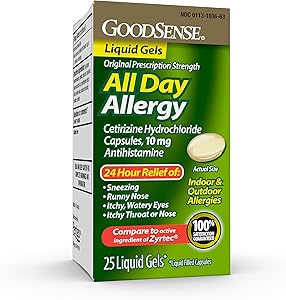
GOODSENSE All Day Allergy Relief, Cetirizine Hydrochloride Capsules 10 mg, 25 Count
ACTIVE INGREDIENT: GOODSENSE All Day Allergy Relief contains cetirizine hydrochloride 10 mg, an antihistamine, which compares to the active ingredient in Zyrtec Liquid Gels
ALL DAY ALLERGY RELIEF: These allergy pills are original prescription strength and provide all day relief of allergy symptoms. Each liquid gel contains 10 mg of cetirizine hydrochloride, an antihistamine
INDOOR AND OUTDOOR ALLERGY RELIEF: Temporarily relieves these symptoms due to hay fever or other upper respiratory allergies: runny nose, sneezing, itching of the nose or throat and itchy, watery eyes
24 HOUR ALLERGY RELIEF: This allergy medicine provides 24 hours of relief from allergy symptoms
ALLERGY CAUSES: Exposure to the same allergen twice can cause antibodies to release a number of immune system chemicals, such as histamine. GOODSENSE All Day Allergy Relief contains cetirizine hydrochloride 10 mg, an antihistamine which can help
Learn how to make homemade recipes to treat itchy skin
Home remedies for itching are very easy to prepare, and will effectively alleviate this discomfort, which at times is even hopeless.
We are all attacked by the itch at some point in our life, but scratching the affected area can aggravate the source of the problem, in addition to causing injuries and pain. And we all know that to scratch, just start ...
One of the most common causes is dry skin, but it also occurs through contact with chemicals, sunburn, cold, overexposure to water, or by insect bites, for example.
It can be in one place, or in almost the entire body, and it is usually accompanied by a rash that comes out of small bubbles formed in the affected area.
A very simple way to treat itching is by immersion in warm water, mixed with 2 cups of oatmeal, or with two tablespoons of apple cider vinegar.
Another method is to sprinkle cornstarch, or cornstarch, on the part of the skin that is itchy.
You can also make a cold compress. The compress provides quick relief and reduces itching.
Fresh nettle oil gives good results, or nettle tea. This recipe is indicated mainly for insect bites. To make tea, use a spoonful of dried nettle leaves in a cup of boiling water, leave to infuse for 15 minutes. Drink twice a day.
Soak two handfuls of cabbage leaf in hot water. Leave on for about ten minutes, then apply the leaves directly to the affected area.
Honey and cinnamon powder provide great relief. Mix equal parts and apply to the skin.
Moisten a handful of baking soda with water, and apply it to the area to be treated.
None of these recipes is suitable for more serious conditions, such as eczema, for example.
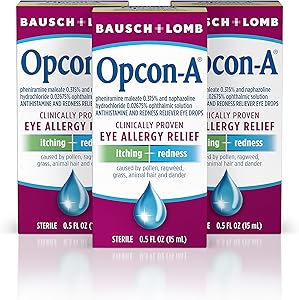
Allergy Eye Drops by Bausch & Lomb, for Itch & Redness Relief, 0.5 Fl. Oz (Pack of 3)
ALLERGY EYE DROPS: Opcon-A eye drops combine an antihistamine with redness reliever to help relieve itchy, red, irritated eyes. Temporarily relieves itching & redness caused by pollen, ragweed, grass, animal hair & dander
RELIEF FOR ITCHY EYES: Opcon-A eye drops are clinically proven to help temporarily relieve the redness & itching caused by symptoms of common airborne allergens like ragweed or grass
BAUSCH + LOMB EYE DROPS: Whether you have dry eyes, red eyes, itchy eyes, or all of the above, we offer a variety of options for your needs, including lubricating & preservative-free eye drops
EYE CARE EXPERTS: For over 150 years, Bausch + Lomb has focused on innovation & quality in our eye care products, from contact lenses & solutions to eye drops, ointments, eye vitamins & more
EYE DROPS & MORE: Bausch + Lomb makes eye care products you can trust, from contact lens solution to eye drops, vitamins, & ointments to make sure your eyes feel healthy, moisturized & protected
Sold as "Allergy Eye Drops by Bausch & Lomb, for Itch & Redness Relief, 0.5 Fl. Oz (Pack of 3)"
Eye irritation, eye allergy
Eye irritation The eye irritation can be caused by eye disease, and conjunctivitis is a major cause of eye irritation, although many others may be in its origin, as we shall see. The eye allergy , whose signs and symptoms are irritation, burning eyes and headache, rash or itching, red eyes or redness and sensitivity to light is one of the main causes of eye irritation. Various substances are capable of causing allergy in the eyeand trigger eye irritation. The use of certain cosmetic or make-up products, chlorine in swimming pools, among many others, are examples of agents that can trigger eye irritation, as we will see in detail later.
The angry eyes are a very common problem, usually accompanied by other signs and symptoms may vary according to the underlying cause and can affect people of both sexes and all age groups. Among the most frequent signs and symptoms is redness and burning in the eyes that can be felt in a more or less intense way, depending on whether we are experiencing slight eye irritation or serious eye irritation.
In relation to laterality, irritation can affect only one eye (left or right) or, then, affect both eyes (bilateral). Often, the burning sensation may initially be felt in only one eye and later affect the other eye due to the possibility of contagion in some cases. See more information on each of the causes for irritated eyes.
Burning eyes Eye irritation is, most of the time, felt with a " burning in the eyes " or " itchy eyes ". Burning in the eyes is often a symptom, described as if there was a " sensation of sand in the eyes " or "burning in the eyes" or as if we were literally experiencing a sensation of " burning eyes " or " burning eyes ".
Eye irritation causes a “ itchy eye ” sensation , often leading people to wrongly “rub or scratch their eyes” with their fingers in an attempt to relieve symptoms.
When we are "scratching the eye" we are making the problem worse. “Scratching the eye” we are stimulating the appearance of chemical substances, which they themselves will stimulate and increase the itching, that is, it is a vicious cycle. On the other hand, there is the possibility of possible contagion in some situations (for example, the infection of one eye passing to the other eye). In addition, the act of "scratching the eyes" is often associated with the causes that lead to a corneal disease called keratoconus . To alleviate the symptoms, we can and must take some measures, however we should never “scratch the eye”. See more information on how to treat and prevent it.
Causes of burning eyes The main causes for eye irritation are:
1. Conjunctivitis Conjunctivitis is inflammation of the conjunctiva, a transparent and thin membrane that lines the front of the eyeball (the whites of the eyes) and the inside of the eyelids.
In conjunctivitis, the usual signs and symptoms are irritation and redness of the eyes, itching or "itching", watery eyes and sensitivity to light or photophobia. Normally, the eyelids are red and swollen giving a "puffy eyes" feeling. It is also common to produce secretions or pus, the characteristics of which may vary according to the cause of the conjunctivitis.
Among the causes for conjunctivitis are infections caused by pathogens that are mainly bacteria, but which can also be viruses and fungi.
Conjunctivitis can also be caused by different chemical and physical agents, such as exposure to the sun or intense heat or ultraviolet rays, irritating gases, caustic products, foreign bodies, smoke, among others. In the case where conjunctivitis is caused by a substance capable of producing allergic reactions, we call it allergic conjunctivitis.
Conjunctivitis is one of the pathologies that most frequently causes eye irritation, however there are many other pathologies that can cause irritated eyes.
2. Eye allergy The eye allergies and eye allergies are immune system responses to a particular substance, which is known as allergen (substances that produce allergic reactions).
We can say in a simplistic way that the immune system is our defense system against aggression. These substances can be, for example, animal hair (cat, dog, etc.), pollen, pollution, smoke, cosmetics or make-up products, among many others. Tobacco smoke, chlorine from the pool and even air, fundamentally, in indoor pools, in addition to the allergens previously presented, are often causes of allergies in the eyes.
Certain substances can more easily circulate on windy days and consequently cause more damage to the eyes.
The clinical manifestation of ocular allergic reactions is allergic conjunctivitis and eyelid allergic reactions or allergy around the eyes ( eyelid allergy ). The symptoms and signs of ocular allergies are irritated, itchy (“itchy”) eyes, watery eyes, burning, hyperemia of the conjunctiva (red eye), chemosis, eyelids with edema or “swollen eyelids” and peeling of the skin of the eyelids. Sometimes, the symptoms of nasal allergy occur simultaneously with that of ocular allergies.
Anyone can develop allergic reactions in the eyes. However, patients suffering from asthma, allergic rhinitis or skin allergies are at an increased risk of triggering eye allergies.
The contact lenses can also irritate the cornea and cause eye irritation. And in the long run, frequent use of contact lenses can cause dry eyes. In turn, the dry eye triggers a set of symptoms ranging from mild to severe in some situations. In addition to the use of contact lenses, dry eye can be caused by many other conditions.
Then find out what the dry eye consists of and know its causes in addition to the intensive use of contact lenses.
To learn how to treat eye allergies, see more information on treatment and prevention.
3. Dry Eye In the dry eye, there is not enough tears produced or the tears, although there are enough, do not have the quality necessary to keep the eyes lubricated.
In dry eye syndrome, as the patient has poor eye lubrication, the eye suffers a kind of aggression when the patient blinks.
The signs and symptoms of dry eye are usually itching or “itchy or itchy eyes”, burning, excessive production of tears (watery eyes), excessive irritation of the eye due to smoke or wind, discomfort and complications when using contact lenses. contact, among others.
Dry eye can occur at any age and in people of both sexes, although the female sex is the most affected. As risk factors for dry eye, we can highlight age, menopause, use of a computer or mobile phone, or other digital devices on a continuous or excessive basis, exposure to air conditioning, use of contact lenses and some medications such as antidepressants, anti -histamines, diuretics, benzodiazepines, analgesics and anticonceptives.
4. Blepharitis Blepharitis is the chronic inflammation of the edge of the eyelids. In blepharitis, in addition to the inflammation of the eyelid, dandruff occurs at the base of the eyelashes, eye pain, red eyes, itching and burning eyes, watery eyes, among others.
The disease can affect only one eyelid (upper or lower), or it can affect both eyelids. Patients with oily skin, dandruff and dry eye are more likely to experience blepharitis.
Blepharitis is usually related to the colonization of the eyelids by bacteria from the normal flora of the skin. It can present itself in several ways, namely: conjunctivitis, dry eye, hordeolus or “stye”, chalazions and in more advanced cases, trichiasis and even corneal ulcers.
In the presence of low environmental humidity, complaints related to dry eye are very common and in cases associated with blepharitis, the symptoms tend to be much more exuberant.
5. Foreign bodies / irritating to eyes A foreign object in the eye may be a piece of dust or sand, a fragment of sawdust, or something larger and more serious. These foreign objects usually cause eye irritation and redness in the eyes, sensitivity to light, excess tears or watery eyes, a feeling that there is something “inside the eye” and in some cases eye pain that can get worse when “blinks the eye". In some cases, a foreign body can cause a corneal ulcer.
A foreign body in the eye requires urgent attention from an eye doctor. The material incorporated in the cornea can, more or less quickly, cause serious eye infection. The ophthalmologist can relatively easily remove the vast majority of foreign bodies in the office. See more information on treatment and prevention.
6. Hordéol ("stye") A hordeolus, commonly known as a "stye" or "stye in the eye" is a palpable abscess, a red, painful lump that forms on the eyelid and is the result of a blockage of one or more sebaceous glands.
In the hordeolus itching or “itchy eyes” is frequent, the eye may be sensitive to light (photophobia) and watery. There is sometimes a foreign body sensation in the eye.
As causes for the appearance of the hordeolus are bacterial infections.
Pterygium Pterygium is a degeneration of the peri-limbic conjunctiva that grows on the surface of the cornea. The pterygium usually grows slowly, and may even stop growing at a certain time. In some cases, the pterygium can grow in such a way that it can cover the pupil and interfere with vision.
In the pterygium, there are usually several signs and symptoms, namely, sensation of foreign body in the eye, eye irritation and itching, burning or burning sensation in the eyes and blurred vision. In the more advanced stages it can cause redness and inflammation in the eye.
The signs and symptoms present in the pterygium vary with the evolution of the disease.
Eye tiredness Eye strain can be caused by a number of eye problems or eye diseases, or it can result only from increased strain on the eye, for example, when reading or when exposed to long periods of reading, when driving for a long time, especially at night , when you work long hours on the computer, etc.
Other signs and symptoms associated with tired eyes, usually appear, such as: headache, burning and redness in the eyes, among others. Dizziness and other disorders are also possible, although much less frequent.
Regarding eye diseases, refractive errors such as myopia , astigmatism , presbyopia and hyperopia can trigger additional strain on the eye system, resulting in tired eyes. Other pathologies can also cause eye strain, such as cataracts , glaucoma , diabetic retinopathy , among many others.
Other causes In addition to the causes previously mentioned, many others may be related to eye irritation.
Next, learn how to treat eye irritation.
Treatment The treatment of eye irritation naturally depends on the underlying cause. The use of topical eye drops (drops) is very common in the treatment of eye irritation, however the treatment should always be prescribed by an ophthalmologist, under the risk that in some situations the problem may worsen. Other treatments or even in some cases surgery may be necessary in order to resolve the underlying problem.
For example, the treatment of conjunctivitis differs depending on its cause. Treatments should be prescribed by an ophthalmologist after a diagnosis of the type of conjunctivitis.
In the case of dry eye, artificial tears can be used in order to lubricate the eye, however, once again it is important to know the cause for dry eye and the treatment should be guided by an ophthalmologist.
In the case of ocular allergies, the use of antihistamines, corticosteroids, artificial tears, among other medications can be used to relieve symptoms. The remedies to be used can be eye drops or systemic medications. An obvious measure is to avoid the allergen that causes the eye allergy and take steps to prevent the problem. See more information on preventing eye allergies.
In the case of eye strain, it may be necessary to correct any eventual refractive error (with glasses, contact lenses, operation), to adopt preventive measures at work such as using a computer or other digital devices such as a cell phone, etc. changing habits, among many others.
Find out, here, all about how to treat and prevent tired eyes.
If you feel something stuck in your eye (foreign object) that is causing irritation, do not try to remove the object by hand. Keep your eye closed as much as possible and see an ophthalmologist immediately.
It is never too much to mention that the treatment for irritated eyes depends on the cause, so a timely and correct diagnosis is essential for an effective treatment.
Actions you should take Despite the consultation with the ophthalmologist, there are some procedures that you can do at home, a kind of " natural or home treatment ", in order to relieve irritation or "itching". Perform the following steps if you experience eye irritation:
Do not "scratch" or "rub" your eyes under any circumstances; If necessary, wash your eyes with saline; In order to reduce or relieve the burning sensation, apply cold sterile water compresses over closed eyes.
Remember that these procedures are not a cure or treatment for the problem, they just allow you to relieve eye pain or discomfort.
Consult your eye doctor urgently if irritation is accompanied by pain in the eyes, changes in vision or sudden loss of vision, perception of "flashes of light", swelling of the eyelids, nausea or vomiting, headache, among other signs and symptoms to value.
How to prevent? There are some attitudes that can help in preventing allergies and eye irritation. Here are some simple daily measures that can help you prevent eye irritation and allergies.
Avoid "rubbing" or "scratching" your eyes;
Make sure to disinfect your contact lenses. If your eyes are dry, talk to your ophthalmologist about the possibility of using a different type of lens, how to use them less often, alternatives like refractive surgery , etc.
Be careful with the eye makeup you choose and do not exchange makeup products or cosmetics with another person;
Do not use eye makeup after 3 to 4 months after the first use;
Avoid exposure to fumes such as tobacco;
Check the humidity inside the house and make sure the air is neither too dry nor too humid;
Always keep a dust-free environment;
Avoid exposure to air conditioning and check their filters;
If you work with the computer for long periods, take frequent breaks in order to "blink your eyes more";
To avoid bacterial and viral infections, wash your hands frequently, especially before inserting and removing contact lenses, and avoid touching your eyes;
Do not share towels or washcloths and wash your sheets and pillowcases frequently;
Wear sunglasses especially on very sunny or windy days;
Wear safety goggles or masks when working with machines or products that require it;
Talk to your doctor about the possibility that some of your medications may be the cause for dry eye;
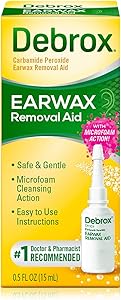
Debrox Earwax Removal Aid, 0.5 oz Earwax Removal Drops
Cleanses the ear with microfoam action providing a safe, non-irritating method for softening and removing earwax
No.1 Doctor & pharmacist Recommended brand for earwax removal
Active ingredient carbamide peroxide - effective for the removal of earwax
Safe and gentle
Aids to soften, loosen and remove excessive earwax
According to iqvia data, 12/13/2018
How to use Cerumin to remove ear wax
Cerumin is a remedy that is used to remove excess wax from the ear, and that can be purchased without a prescription, at any pharmacy. Its active ingredients are hydroxyquinoline, which has an antifungal and disinfectant action and trolamine, which helps to soften and dissolve the accumulated wax inside the ears.
To use, Cerumin should be dripped into the ear, about 3 times a day, for the period of time indicated by the doctor.
How it works Cerumin has hydroxyquinoline in its composition, which is an agent with disinfectant action, which also acts as a fungistatic, and trolamine, which is an emulsifier of fats and wax, which helps to remove the cerumen.
How to use About 5 drops of Cerumin should be dripped into the ear, then cover with a piece of cotton wool moistened with the same product. This remedy must be allowed to act for about 5 minutes and, during this period, the person must remain lying down, with the affected ear upwards, for a better performance of the product.
It is advisable to use Cerumin 3 times a day, for the period of time indicated by the doctor.
Who should not use The use of Cerumin is not indicated in case of ear infection, which generates symptoms such as earache, fever and bad smell in the region, especially if you have pus.
In addition, it is also not indicated for pregnant women or for people who have suffered an allergic reaction when using this product previously or in case of perforation of the eardrum. Learn how to identify a perforation in the eardrum .
Possible side effects After using Cerumin and removing excess wax from the ears, it is common to experience symptoms such as mild redness and itching in the ear, but if these symptoms become very intense or if others appear, you should immediately go to the doctor.
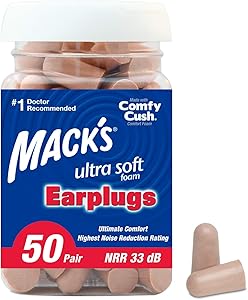
ULTRA COMFORTABLE - Made with super low-pressure, slow release, Comfy Cush Comfort Foam. Their user preferred color is as easy on your eyes as they are on your ears.
ULTRA NOISE BLOCKERS – With a Noise Reduction Rating (NRR) of 33 decibels, these versatile, noise blocking earplugs are great for sleeping, studying, work, travel, concerts, relaxation, motorcycling, loud events, etc.
#1 BRAND FOR SNORING, SLEEPING AND TO PROTECT HEARING - Mack’s is the #1 doctor recommended brand of foam earplugs to protect hearing and to get a good night’s sleep when sleeping with a snoring spouse.
#1 BRAND USED BY DOCTORS - Mack’s is the #1 brand of foam earplugs personally used by doctors. Trust the brand that doctors trust.
MADE IN THE USA – Proudly made in the USA with safe, high performance, noise reducing foam. Satisfaction guaranteed. The plastic jar is safety-sealed and features a convenient flip-open top for easy dispensing.
Is wearing ear protection to sleep bad for you?
The ear protector makes a difference in the life of those who have a light sleep, but the incorrect use can be harmful
The ear protector is a very practical item that allows to reduce the impact of the sounds in the ears. Some models, included in the category of Personal Protective Equipment (PPE) , are developed for use by workers during the exercise of their professional activities. PPE serves to protect workers from exposure to harmful noise and is often mandated by law. But there is also another category of hearing protectors more common in everyday life: those used for sleeping . But is this use bad ? Understand:
What are the benefits? The ear protector can make a difference in the life of those who have a light sleep, live in a region with intense noise pollution or have a partner or pet that snores.
Noise pollution: what it is and how to avoid it This is important because loud sounds can wake the body from deep sleep and cause significant harmful effects. Even if the awakening is only a few seconds, it takes time for the body to return to the deep sleep phase.
According to one study , having poor quality sleep for a long period of time can increase the risk of:
High pressure
Diabetes
Heart attacks
Obesity
Depression
Another study noted that poor quality sleep is also related to inflammation and reduced immune function, which negatively affect health. Given the importance of sleep for overall health, it is evident that the ear protector offers benefits that go far beyond just a good night's sleep.
Natural remedies aid treatment for diabetes
Diabetes: what it is, types and symptoms
Post-sex depression: have you heard of this problem?
But does it hurt? Despite these benefits, there is still debate about the safety of wearing hearing protectors . The earplug is usually safe, but it does have some potential side effects, especially if used regularly.
Over time, the ear protector can push the wax back into the ear, causing an accumulation. This can cause several problems, including temporary hearing loss and ZOOM! I 's. To clean the wax, you will need to use something to soften it or remove it with your doctor.
How to do ear cleaning safely The ear protector can also cause ear infections. Although they can be caused by the accumulation of wax, the bacteria that grow in the ear protector can also be responsible for the problem. Ear infections cause pain and, if not treated properly, can have complications, such as hearing loss.
What is the best type to sleep in? The common ear protector can be found in ventilated and non-ventilated formats. Ventilators have a small orifice, which helps to equalize the pressure in the ear. They are useful for flying and diving, but they do not work better than unventilated tampons when it comes to sleep .
In addition, the ventilated ear protector is generally classified by its material:
Wax: the wax plug is easy to mold to the size of the ear, making it an option for sleeping and swimming, as it is waterproof. In addition to being biodegradable;
Silicone: The hard silicone ear protector has the added benefit of being reusable, but is generally uncomfortable for sleeping , especially if you sleep on your side. The soft silicone plug works in a similar way to wax and provides a comfortable fit. However, some people may find that they are not as effective at blocking sounds as other types.
Foam (polyurethane): the foam ear protector is the cheapest option. It is also soft, which makes it a good option for sleeping . However, its porous material makes it a good environment for bacteria, so you will need to replace it frequently. In addition, its material is difficult to recycle.
You can also talk to your doctor about purchasing a custom hearing protector . This involves making a mold for the ears and creating a pair of reusable earplugs that match your shape. The custom ear protector tends to be more expensive and has to be cleaned regularly. But he is very good at blocking out all noise - including an alarm clock or emergency alert, so use it with caution.
How to use the ear protector? The correct use of the ear protector can reduce the occurrence of its side effects. Follow these steps to use the earplug safely:
Squeeze the earplug with clean fingers until it is narrow enough to fit your ear;
Pull the earlobe away from the head;
Insert the plug just far enough to block the sound. Do not push it as far as possible, as you risk irritating the eardrum lining;
If you are using an ear foam, keep your hand on the ear until it expand and fill the cavity.
If you are using disposable tampons, especially foam ones, replace them every few days. To prolong their life, try to wash them every day with warm water and mild soap. Just make sure to let them dry completely before putting them on.
Innovo Hospital Grade Silicone Twister Bulb Baby Ear Syringe and Nasal Aspirator, Snot Sucker and Mucus Sucker, Non-Toxic Nasal Ear Bulb, Cleanable and Reusable, Clear White
RECOMMENDED HOSPITAL GRADE SILICONE EAR SYRINGE & NASAL ASPIRATOR - Made of 100% SILICONE that is hypoallergenic and naturally resistant to the growth of bacteria, molds and fungus. Not only is it BPA, Phthalate & Latex free, there isn’t even plastic to worry about!
REVOLUTIONARY TWISTER DESIGN – Designed in USA. Bulb twists apart for easy cleaning and drying to prevent germs or mold built-up. Soft Silicone and Narrow Tip make it easy to suck earwax or snot and mucus out of baby's nose. Perfect for your newborn baby.
TRANSLUCENT BULB - See how much snot is being removed. No more second guessing and further aggravating a sick baby.
REUSABLE & EASY TO CLEAN- Simply twist the bulb, wash, dry and re-use! Why waste money on additional nasal bulbs or Frida Hygiene filters?
LIGHT & PORTABLE (Great for travel) - Comes with a bag for easy storage
Ear wash: what it is, what it is for and possible risks
Ear washing is a procedure that allows you to remove excess wax, but it can also be used to remove any type of dirt that has accumulated more deeply in the ear canal over time.
However, washing should not be used to remove objects that have been inserted into the ear canal, as can happen with children. In such cases, you should immediately go to the otorhinolaryngologist, or the pediatrician, to remove the object without causing damage to the ear. See what to do in case of an insect or object in the ear .
Ear washing should only be done by an otolaryngologist or other qualified health professional, however, there are situations in which the doctor may recommend something similar and safer, known as "bulb irrigation", which can be done at home to relieve the discomfort of people who often suffer from a blocked ear, for example.
What is washing for Excessive buildup of earwax in the ear can cause minor damage to the ear canal and make hearing difficult, especially in people where the earwax is very dry, so washing helps to reduce the risk of these changes, especially when other forms of treatment fail. have been successful.
In addition, and unlike the swab, it is also a relatively safe method of removing small insects or small pieces of food, preventing them from moving to a deeper place in the ear. See other ways to clean your ear without a cotton swab .
Although it is a simple technique, washing should not be done at home, as the ear has natural mechanisms to remove the wax. Thus, this technique should only be used when it is indicated by the otorhinolaryngologist. However, there is a possibility to irrigate with a bulb syringe, which is sold at the pharmacy, and which is considered a safe practice to do at home.
How to do it at home Ear washing should not be done at home, as it is necessary to have guidance from a professional to avoid complications, such as infections or perforation of the eardrum.
However, for people who suffer from wax buildup very often, the doctor may advise a similar technique, called bulb irrigation, which is done as follows:
Turn the ear to and pull the ear from the top , slightly opening the ear canal;
Place the tip of the bulb syringe at the entrance of the ear , without pushing the tip inward;
Squeeze the syringe slightly and pour a small stream of warm water into the ear;
Wait about 60 seconds in this position and then turn your head on your side to let the dirty water out;
Dry the ear well with a soft towel or a hairdryer at low temperature.
Possible risks Ear washing is a very safe procedure when done by an otolaryngologist or other trained health professional. Still, like any other procedure, it also has risks, such as:
Ear infection : happens mainly when the ear canal is not properly dried after washing;
Perforation of the eardrum : although it is more rare, it can arise if the washing is done poorly and push the wax into the ear;
Vertigo emergence : the washing can interfere with the fluids naturally present in the ear, causing the temporary sensation of vertigo;
Temporary hearing loss : if the wash causes some kind of inflammation in the ear.
So, although it can be done in certain cases, ear washing should not be very frequent, since excessive wax removal is also not beneficial. Wax is naturally produced by the ear to protect the ear canal from injury and infection.
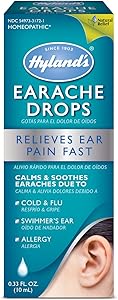
Ear Drops for Swimmers Ear and Allergy Relief for Kids and Adults by Hyland's, for Clogged Ears, Earaches, Fast Natural Homeopathic Pain Relief, 0.33 Ounce
RELIEF OF EARACHE SYMPTOMS: Temporarily relieves the symptoms of fever, pain, throbbing, irritability and sleeplessness associated with earaches after diagnosis by a physician Relieves common pain and itching of "swimmers" ear
EASY TO TAKE: Natural syrup to ease symptoms.
0.33 OUNCE = UP TO 150 DROPS: of Hyland's Earache Drops
SAFE AND NON-HABIT FORMING: Our gentle homeopathic formulas are made with all natural active ingredients. There are no known side-effects and will not conflict with any medications you may be taking.
HIGHEST STANDARD OF QUALITY: All of Hyland's products follow the manufacturing and quality practices outlined in the Homeopathic Pharmacopoeia of the United States and are regulated by the Food and Drug AdministrationSAFE AND NON-HABIT FORMING: Our gentle homeopathic formulas are made with all natural active ingredients. There are no known side-effects and will not conflict with any medications you may be taking.
OVER 100 YEARS OF NATURAL RELIEF: Family-owned Hyland's has been making premier homeopathic products since 1903. Trusted by generations of families for over a century, we have stood as a leader in innovations that answer to the changing health needs of our modern world.
Home remedies for earache: understand what works
Burning sensation and constant headache are just a few signs that can indicate an earache . Inflammation in the ear is a very common problem, especially in children, and it usually affects people in different ways.
According to Fernando Kaoru, an otorhinolaryngologist at the São Camilo de São Paulo Hospital Network, the treatment for ear pain will depend on what is causing the pain.
Therefore, only a trained specialist can tell you which medicine is best for you, as well as the correct dosage and duration of treatment.
The best home remedy for ear pain However, the otorhinolaryngologist indicates that the most practical and effective home remedy for ear pain: making a compress of hot water at the site of the pain. Although, the technique does not help to treat inflammation, it will contribute to pain relief.
When you notice the first signs of ear pain, it is essential to see a general practitioner or an otolaryngologist to receive the appropriate treatment.
Home remedy for ear pain works? There are a number of home remedies for earache taught among people and even on websites on the internet:
Put onion or aid in the inflamed spot
Apply mint tea on inflammation
Insert an alcohol swab into the inflamed spot
Putting drops of oil on the inflammation
Apply chamomile tea to the inflamed ear.
However, Fernando Kaoru reveals that these home treatments, in most cases, are not effective: "There is no study that scientifically proves that home treatments work and most of the above options may even worsen the condition depending on the cause of the pain" said the expert.
Most common causes of ear pain Ear pain can affect both ears at once or just one ear. The most common reasons for ear pain include:
Some fluid that has settled inside the ear canal, such as water or cosmetics
Infection of the ear canal outside the eardrum ( otitis externa )
An infected furuncle or hair follicle in the ear canal
Injury to the ear canal from objects, such as cotton swabs or sharp objects
Blockages in the ear caused by wax plates or objects pushed through the ear canal
Throat infections (including tonsillitis) and colds
Allergies in the respiratory tract, or infections like rhinosinusitis.