How to treat sheets and other textiles in a bed bug infestation?
Bed bugs are often found in beds, mattresses, or in crevices or shelters near beds. Although they can also seek refuge among the clothes that are stored near the bed, or even between the sheets. Among the sheets or other textiles they can go unnoticed and function as a source of new infections.
- How to treat sheets and other textiles in a bed bug infestation and Bed Sheets Product
Clothing and other textiles infected with bed bugs are not usually treated with insecticides because their use is closely associated with contact with human skin. So how can these types of objects be disinfected?
The most practical solution is through washing, although precautions must be taken when carrying out this type of disinfection, since not all types of washing are equally effective. In a 2010 study by the University of Sheffield in the UK, a number of practical solutions are detailed for treating bed bug infected clothing.
One of them is to wash clothes in the washing machine. For 100% mortality to occur in all stages of this insect (eggs, nymphs and adults) it is necessary that washing be carried out at 60ºC, since temperatures below this threshold do not ensure the death of all individuals. For example, at 40ºC, 75% of the eggs survive.
Another way to disinfect textiles is through hot cycles (40-45ºC) of 30 minutes in the dryer. Immersing clothing in cold tap water does not kill bed bugs, as the eggs survive even after 24 hours of immersion.
For delicate textiles that are infected by bed bugs and cannot be subjected to such high temperatures, there is the alternative of professional dry cleaning with perchlorethylene, performed by most dry cleaners. In case of opting for this last form of disinfection, it is very important to inform the dry cleaner that the clothes are infected by bed bugs, since in this way the accidental spread of the plague is avoided.
Saturday, January 2, 2021
How to treat sheets and other textiles in a bed bug infestation?

New bed sheets must be washed before first use
New bed sheets must be washed before first use
This washing clothes before its first use, has always been done, in garments such as baby clothes, underwear, swimwear, etc.
And this is when the doubt about the bedding assails us. Should new sheets be washed before first use? We think so , and we are going to give you several reasons why to do it, and how you have to wash them correctly.
- New bed sheets must be washed before first use and Bed Sheets Product
Why you should wash your new bed sheets
There are several reasons why new sheets should be washed when we buy them, but there are 2 that we consider to be the most important:
- * The first reason, and perhaps the most important, has to do with the making and tinting of the sheets. Although in general, when we talk about quality sheets, all products pass strict quality controls, before going on sale.
Even with all these controls, some things must be taken into account: During the manufacturing process of the sheets, the fabric is subjected to different processes, such as dyeing, printing, finishing, etc. This is why we must wash the sheets, duvet covers and in general all the bedding before using it .
- * The second reason, why we must wash the sheets, is the softness. The composition, density and texture of the fabric vary from one model to another. While cotton predominates in some, polyester or any other fiber does it in others. In the same way, some sheets are "thicker" or have more passes than others. These variations in fabrics make the sheets feel rougher or softer.
If we want to have the maximum softness of the fabric from the first moment, it is highly recommended to wash the bedding, before the first use, since we will soften the possible roughness that it may have as a result of the manufacturing process.
Tips for washing new sheets
The first thing you should do before washing your new set of sheets is to always read the manufacturer's instructions . The manufacturer is the one who knows best how to treat their product. You have to take into account, for example, that 100% cotton sheets tend to shrink a bit. This should not worry you, because manufacturers already take this into account when making sheets.
In any case, we repeat that in order not to have any problems, and that our bedding will last us a long time in the best conditions, it is best to follow the manufacturer's washing instructions.
How to soften hard new bed sheets
How to soften hard new bed sheets
There is nothing worse than rough, harsh sheets that will ruin your night's sleep. This often happens with new sheets, when the stiffness is caused by chemical residues left over from the manufacturing process. Fortunately, there are a number of easy ways to soften your sheets so that you can have a comfortable and enjoyable night. Read on and discover some tricks.
- How to soften hard new bed sheets and Bed Sheets Product
Method 1 Use baking soda and vinegar
1
Put the sheets in the washing machine. Immediately after removing the sheets from their packaging, put them in the washing machine.
- If they are queen size or larger, you may prefer to wash the top and bottom separately to give them plenty of room in the washing machine.
2
Add a cup of baking soda. Instead of your regular detergent, pour a cup of baking soda into the washing machine.
- It is important that you omit the detergent as it tends to fix the chemicals on the sheets. These chemicals make sheets stiff, so they are best removed.
3
Wash the sheets on the regular cycle. Set the washer on the regular cycle using lukewarm water and turn the washer on.
4
Add a cup of vinegar during the rinse cycle. When the rinse cycle is about to begin, change the water temperature to cold and add a cup of white vinegar.
- This will help soften the sheets, but it is completely optional. The baking soda will work on its own. [1]
5
Let the sheets dry on a clothesline. When the rinse cycle is over, remove the sheets from the washing machine and hang them on a clothesline to dry in the sun.
- This will help the sheets soften. If you don't have space for them to dry outside, put them in the dryer and let them dry on a low setting, as too high temperatures can cause the sheets to shrink. [2]
6
Wash them again. After the sheets have dried, you can wash them a second time using the appropriate amount of detergent.
- Although washing them twice seems like a lot of work, this will really help soften the sheets.
- Dry the sheets outside or in a dryer, then iron them (if desired) and lay them on your bed.
7
Remember that your sheets will get softer every time you wash them. Good quality sheets will get softer after every wash, dry and iron.
- For maximum softness (and durability) buy good quality cotton sheets with a high thread count. [3]
Method 2 Use other substances
1
Use a fabric softener. In addition to a cup of baking soda, you can add the appropriate amount of your preferred fabric softener to the washing machine when you wash new sheets. This helps to have very soft sheets. Alternatively you can just use the fabric softener. [4]
2
Use turpentine. Add a cup of turpentine to the washing machine and wash the sheets on a regular cycle using warm water.
- Rinse the sheets well to remove all the turpentine. Hang the sheets outside on a clothesline to dry.
- It is very important that you do not put the sheets in the dryer after washing them with turpentine as this liquid is combustible and could start a fire.
3
Use magnesium sulfate. Fill the laundry tub with cold water and add 50g of magnesium sulfate. Stir the sheets in the tub for two minutes (use a wooden spoon if you don't want your hands to get cold).
- Let the sheets soak overnight in the magnesium sulfate and water mixture. The next morning, rinse them well and then hang them outside to dry. [5]
4
Use borax. Fill the laundry tub with cold water and add six tablespoons of borax.
- Dip the sheets in the water, stir them, and leave them soaked overnight.
- The next morning, rinse them well and hang them outside to dry.
5
Use salt. Fill a laundry tub with cold water and add two handfuls of salt. Submerge the sheets and leave them soaked overnight. Wash them and let them dry as you always do.
6
Ready.
Things you will need
- Sodium bicarbonate
- White vinegar
- Fabric softener
- Turpentine
- Magnesium sulphate
- Borax
- Salt
- Hard sheets
4 TRICKS TO WASH YELLOWED BED SHEETS AND MAKE THEM LOOK LIKE NEW
4 TRICKS TO WASH YELLOWED BED SHEETS AND MAKE THEM LOOK LIKE NEW
HOW TO WASH WHITE SHEETS THAT HAVE TURNED YELLOW?
When we choose white clothing, whether it is clothing such as sheets , towels or tablecloths, we do it precisely for that: because we love white. When that color fades, as is the typical case with yellowish white sheets , we quickly start asking for advice, looking here and there with a single premise in mind, how to wash yellowish sheets ?
- 4 TRICKS TO WASH YELLOWED BED SHEETS AND MAKE THEM LOOK LIKE NEW and Bed Sheets Product
Well, the good news is that there are many methods and products that will help us to combat yellowish white sheets and return them to their original white. Pay attention that we are talking about methods and products, this means that not all products for washing yellowish white sheets are applied in any way, but there are methods and times that we have to respect.
HOW TO DRY YOUR YELLOWISH WHITE SHEETS TO REGAIN THEIR ORIGINAL COLOR?
Before going to the products themselves and the details of when and how to apply them, I will start with a basic premise, linked to drying rather than washing and is as old as it is effective: whenever you have the opportunity to dry your yellowish white sheets in the sun , any method you apply will be strongly enhanced in relation to machine drying. I know ... not all of us have that possibility, especially if we live in small spaces in big cities, but I don't want to stop mentioning it, because sooner or later we will go on vacation or we will meet a family member who does have that possibility and it is worth It's worth asking them for that little favor.
4 TRICKS TO RECOVER THE WHITE IN YOUR YELLOW SHEETS
Now yes: What are the products that I can mix with common laundry detergent or soap, in order to improve the washing of my yellowish white sheets ?
- Sodium bicarbonate . Ideally, add half a cup to the measure of the detergent you use in your regular wash. If you want to use bleach anyway, reduce it to half the usual measure.
- Distilled white vinegar (half a cup), you add it to your amount of regular detergent. Don't worry about the strong smell, it will disappear when the yellowish-white sheets dry (the good news is, they won't be so yellow by then!)
- Add a half cup of hydrogen peroxide (the 3% readily available in stores and pharmacies) to the detergent in your regular wash.
- Lemon juice : add a quarter or a half cup to your usual detergent.
All the aforementioned in relation to adding something to your usual detergent. But I add other possibilities: the treatments before the final regular wash that you usually do. My favorite is soaking it overnight, I do it like this: in four liters of very hot water, I add half a cup (if I can a little more) of lemon juice. You let it sit overnight, rinse and the next day you do the regular wash. Your yellowish white sheets will stop being yellow and will return to that whiteness that you love.
Friday, January 1, 2021
Wash new bed sheets before first use
Wash new bed sheets before first use
One of the most frequent questions after buying new sheets is whether they should be washed before use. Washing clothes before the first use is usually a very frequent trend in certain garments such as underwear or bikinis.
However, what about other textiles like bedding? Should new sheets or duvet covers be washed before first use? The answer is yes. We explain why.
- Wash new bed sheets before first use and Bed Sheets Product
Why you should wash your new sheets
There are two main reasons why it is recommended to wash bedding before using it for the first time. The first reason is due to an issue related to the manufacture of the product. Obviously all the textiles that we produce go through quality controls and must meet certain standards before going on sale.
During the manufacturing process, the fibers are subjected to different processes -preparation, dyeing, stamping, improvement to enhance the properties, etc.- in order to achieve more refined touches and finishes. For this reason, it is necessary to gently wash the sheets, duvet covers and other home textile accessories before using them for the first time to eliminate the micro-particles inherent in the clothing.
The second reason we should wash new sheets is related to softness. The texture of the sheets varies depending on the fabric - we find natural ones such as cotton, silk or wool and synthetics such as polyester, nylon or acrylic - as well as the density of threads used in their manufacture. Based on these two aspects, new sheets have a rougher or softer feel. If we want to achieve a more pleasant sensation, it is advisable to wash the bedding before the first use since we will eliminate the possible roughness that the fibers may have after the manufacturing process.
Tips for washing new sheets
Before performing the wash cycle, remember that you must always follow the manufacturer's instructions. For example, cotton bedding shrinks during the first wash by 3% to 12% (depending on the quality of the cotton used). However, you should not worry about it, since manufacturers already take this loss into account. Of course, follow the washing, drying and ironing recommendations that are specified on the product label to the letter.
You can also resort to popular wisdom and use some natural products to get new sheets softer. For example, add a cup of baking soda in place of detergent to avoid setting chemicals that keep fibers harsh on new sheets. During the rinse cycle you can add a cup of white vinegar.
How to soften hard new bed sheets
How to soften hard new bed sheets
Every time you go to sleep, your sheets ruin your sweet dreams because you feel that they itch, that they are hard, that "you do not settle down", you may have to see that they are very rigid and do not allow you to have the best sleep. Get to rest without being interrupted by having a nice night and incredibly soft sheets , forget about the new stiff sheets!
- How to soften hard new bed sheets and Bed Sheets Product
USE BAKING SODA WITH VINEGAR FOR SOFT SHEETS
INGREDIENTS
- 1 cup of Baking soda
- 1 cup of Baking sodaWE RECOMMEND THIS VIDEO
- 1 cup of white vinegarDetergent, the necessary
PROCESS
- REMOVE the sheets from their packaging.
- PLACE the sheets in the washing machine. Preferably wash with space or wash them separately.
- ADD baking soda instead of detergent.
- Turn the washing machine ON and wash on a regular cycle using warm water.
- CHANGE the water temperature to cold when you switch to rinse and add the vinegar. Let the wash cycle finish.
- LET the sheets dry in the sun by hanging them on a clothesline.
- WASH again after drying.USE the necessary amount of detergent that the washing machine requires.
- FINISH the cycle and dry again.
- IRON sheets, optional.PLACE or make the bed with them.
THESE ITEMS CAN ALSO HELP YOU SOFTEN YOUR STIFF SHEETS.
FABRIC SOFTENER
ADD fabric softener to the baking soda procedure.
Or, just add fabric softener, you can combine it in the 2nd wash, in the rinse cycle.
SALT
- FILL a tub with cold water (where the sheets will fit).
- ADD 1 handful of sea salt.DIP the sheets.
- LET soak for 1 night.
- WASH and let dry as you normally do.
TAKE INTO ACCOUNT…
- It's important to skip the detergent and not add it at the same time as the baking soda, as the detergent makes the chemicals stick to the sheets and make them stiff.
- If you are going to tumble dry your sheets, do it on a low setting, high temperatures can shrink the fabric.
- Washing them twice will help keep them soft.
- The more sheets are washed (over time), the softer they will be.
- Cotton sheets are the best, and they will also provide more comfort.
Now that you know how to make your new sheets soft, what are you waiting for to try this trick?
Thursday, December 31, 2020
Baratza Encore Conical Burr Coffee Grinder
Baratza Encore Conical Burr Coffee Grinder
How to grind green coffee?
Many people who bought green coffee beans, the first stage faced the problem of how to grind green coffee at home. We are going to consider several variants with the use of the technique and without it. You are sure to find the most convenient way to get crumbled coffee! Be prepared for the fact that at home you do not get a fine powder - most likely as a result of grinding you will have coarse crumbs. However, this is enough to prepare a drink.
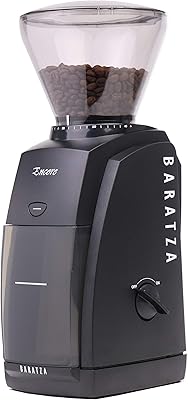

Why is it difficult to grind green coffee?
It is no secret that green coffee is the same coffee we drink in the morning, just before roasting the coffee beans. After harvest the grain dries - at this stage they acquire a greenish-beige color. The additional heat treatment gives the coffee a rich color and a favorite aroma, and additionally dries the beans more deeply, making it easy to grind them even with the help of a classic grinder.Green coffee cannot boast of color, taste or dryness of the beans. On the contrary, they are elastic and slightly damp, and it is very difficult to turn them into powder. But don't worry: this is very possible, and there are many ways that will lead you to your desired goal.
How to properly grind green coffee in a coffee grinder?
If you have a powerful, high-quality electric coffee grinder, you can try grinding the beans in a traditional way. The technology will be slightly different than usual:- Pour a few beans into the coffee grinder - half the usual amount.
- Close the cover (if equipped).
- Turn on the coffee grinder and observe its work: if you see a jam, abnormally loud sounds and other abnormalities, then your device does not support such a load, and it must be turned off so as not to spoil it.
- If the coffee grinder handles well, wait 3-4 minutes for the beans to have a fine consistency and turn off the appliance.
- If your coffee grinder is manual, you can try to use it. This should be done in the same way as if you were grinding ordinary grains. If you find that your efforts are unsuccessful, use one of the methods below.
How to grind the green coffee blender?
- If you don't have a coffee grinder, you can use an ordinary blender. For many models, a nozzle coffee grinder is attached, but even if you don't have one, you can still use the device to grind the beans.
- Take a narrow and deep container, lower the coffee beans and a blender, it should almost reach the bottom.
- Cover the resulting design with a towel so the grains don't scatter, but you could easily change the speed in the blender.
- Turn on the device and observe the process, evaluating the result. When you decide that the beans are sufficiently mashed, turn off the blender.
In some cases, the blender is also powerless, but this is not a reason for despair. You can always use a simple manual method.
What is the best way to grind green coffee without appliances?
If blenders and coffee grinders are not in every home, then an old chopping board and hammer will be found in every home (although it is common, even if it's for beating meat). This is enough to grind coffee beans!- Wrap some coffee beans in paper, lay out so that there are no layers.
- Surround with grains placed on a cutting board and beat 4-7 minutes.
- When you find that the beans are sufficiently crushed, you can stop.
This is the loudest, but at the same time reliable way to get ground coffee at home. Preparing ground coffee does not cost more than a day.
Baratza Encore Conical Burr Coffee Grinder